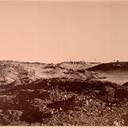
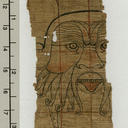
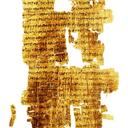
The Oxyrhynchus Papyri collection, belonging to the Egypt Exploration Society and housed in Oxford's Art, Archaeology and Ancient World Library, comprises thousands of texts on papyrus and parchment and is the largest of its kind in the world. It includes principally literary, documentary, and other texts in Greek, dating from the second century BCE to the seventh century CE; other languages represented include Latin, Demotic, Coptic, and Arabic. Most of the papyri come from excavations conducted at the site of Oxyrhynchus (modern Bahnasa) by Oxford classicists Bernard Grenfell and Arthur Hunt in 1896–1907 on behalf of the Egypt Exploration Fund (now Society). Since then, scholars have worked continuously to catalogue, decipher, and publish this material.